

“Why be within doors when you can rightly be without”
Nature study is one of the most enjoyable habits to have in your homeschool. It is the gateway to geography, biology, and a life long affection for the outdoors. There are many ways to incorporate this subject into your home! To get started see the 3 part Nature Study series from my podcast below, grab a nature journal and head out doors! For more inspriation follow along @hatchingcuriosity.com on instagram.
Learn how to start a nature study with the Nature study podcast series below:
(Click the image to get the full shownotes and transcript.)


More Nature Study Podcasts Episodes:
Episode 14: Nature Study in Spring
Episode 19: Nature Study in the Summer
Blog Posts about Nature Study:
All the links for a year of Nature Journaling Cards
Hatching Curiosity Nature Study Materials:


This Nature Journal has many features for different styles of journaling. It is a great jump start for those adding this joyful habit to their home or classroom!
The pages and activities were inspired by Charlotte Mason and other leaders in the nature journaling movement to help you get started with this beautiful habit. Check out my podcasts at https://hatchingcuriosity.com/naturestudy to learn more about the benefits of nature study and for some ideas on how to enhance your experience in different seasons.
At the front of the journal, we have a Penology wheel where you draw once a month (in the triangle under that month) something you feel represents that time of the year as a way to observe seasons changing over time. It then has enough nature journal pages to go once a week for 32 weeks and 4 weeks of pages from the upcoming Observable Sky Journal to record phases of the moon, temperature, and other weather phenomena. There are 4 Star Mapping pages where you line up the horizon line with your horizon and sketch Constellations and how they move across the sky so you can get out once a month to observe changes or several times over the course of the summer. Choose a tree in your backyard or favorite park to return to again and again as you watch it bud, bloom, and fall over 4 adopt- a- tree pages. I've added a few new fun additions with the mapping page (complete with a grid to help with the math), a page to help you practice seeing things from all angles, and 4 pages called "Think like a scientist" to practice the scientific method. The next 8 pages are for recording observations over time like a plant growing or a caterpillar turning into a butterfly. You can write the hours/days/ or weeks at the top and record observations below. Next, we have a calendar of firsts where you record the first time you see something in a year so you can return to it the following year and have some ideas on what to look for in that month. Finally, there is favorite lists where you write their common name, scientific name and check the months that you encounter them to get an idea of the ebb and flow of seasons.
The pages included in this journal are:
32 Nature Journaling Pages
4 Observable Sky Pages
4 Star Mapping Pages
2 Over/Under pages
4 Adopt a Tree Pages
1 Map your Backyard Page
1 Observe all Angles Pages
4 Think Like a Scientist Pages
8 Observations over Time Pages
12 Calendar Firsts Pages
2 Favorite Lists
For a full year's worth of nature journaling.
Still don’t quite know where to start? I have a deck of 52 weeks worth of Nature Journaling Activity Cards to get you started.
If you'd like to order in bulk just send me a message!
For more ideas and inspiration on Nature Study including a free (you don't even need to subscribe) 3 part intro to nature study course head over to https://hatchingcuriosity.com/naturestudy

52 weeks of Nature Journaling inspiration!
This deck of cards takes you through a year's worth of nature journaling activities so you can get better use out of your nature journal. It pairs perfectly with my nature journals here:https://hatchingcuriosity.com/shop/naturejournal
However, you can use your own nature journal as well. (Instructions on how to create the specialized pages mentioned in the deck are found at the link on the cards).
Each card is a stand-alone activity, meaning you can draw one from the deck in the season you are in, grab your materials and go. The kids will gain a TON just by keeping this nature journaling practice.
If you want to take it further and make it into an entire year's worth of nature study though use the QR code on the intro card/back of the box to find a corresponding blog post for every card that has suggested mini-lessons, links to additional resources, free printables, and more to help you make the most out of the activities.
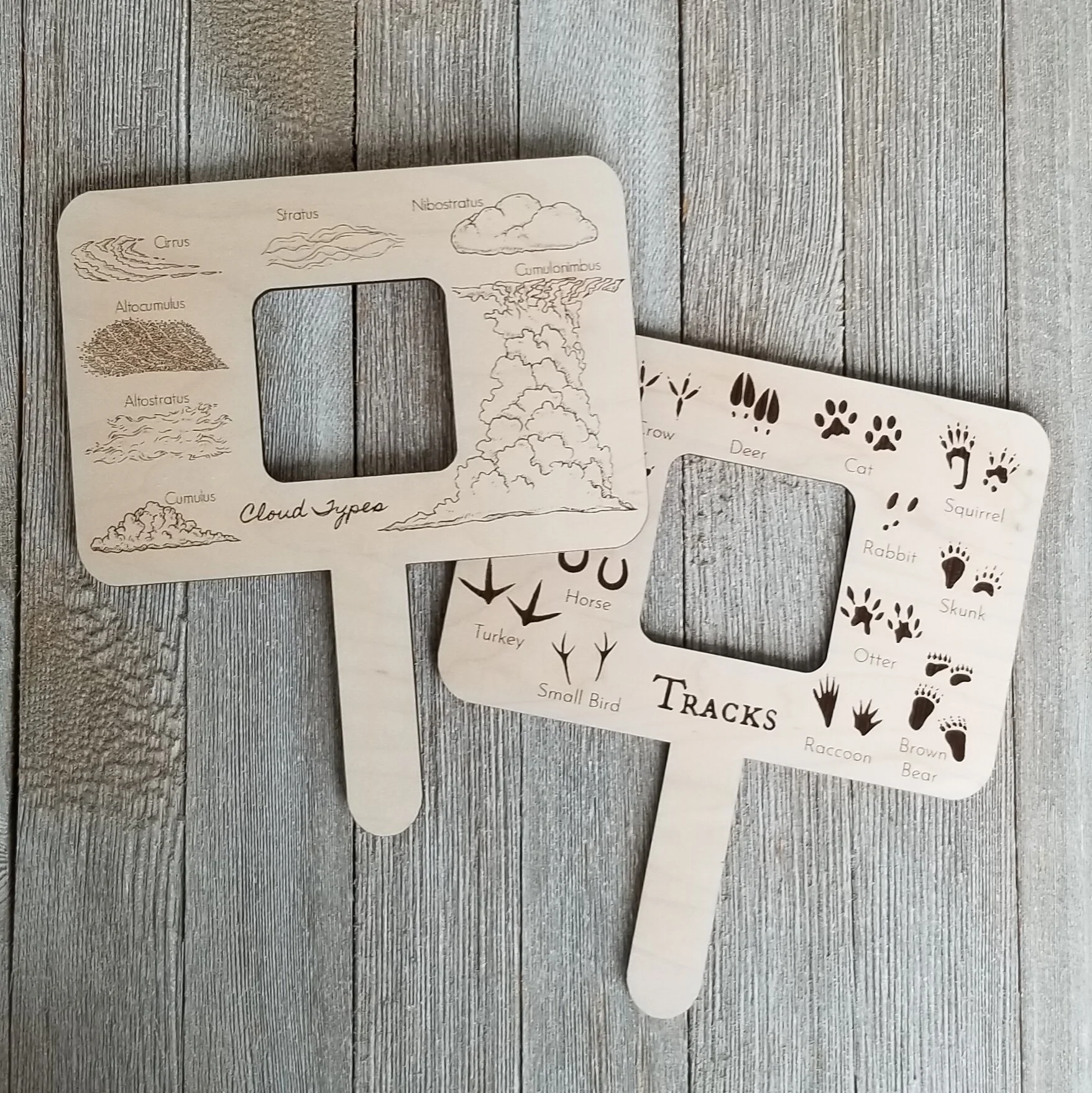
Spot and identify clouds and animal tracks together with this fun nature study tool. Use this handheld cloud viewer to identify clouds in your sky. The cloud view has a hole in the middle for you to zero in on a cloud of interest and some of the most common cloud types along the edges for you to compare it with. My 6-year-old quickly memorized cloud types and enjoys identifying them outside with this tool (Because kids can't get enough of tools right?!)
Cloud viewer dimensions: 7"x 5 7/8" handle is 3 3/4" long it is 1/8" thick cut and engraved on a laser cutter.
Classes to build your Drawing skills:
These classes through blueprint are SOO worth it. It teaches you the basics in a visual step by step way. It is like going to water color class in person only you can rewind and watch again when you need to! For a beginner with brush painting I Highly recommend them! Click the image below for a link to where you can purchase the classes.


Other resources I love:
(Click the images for Amazon links)
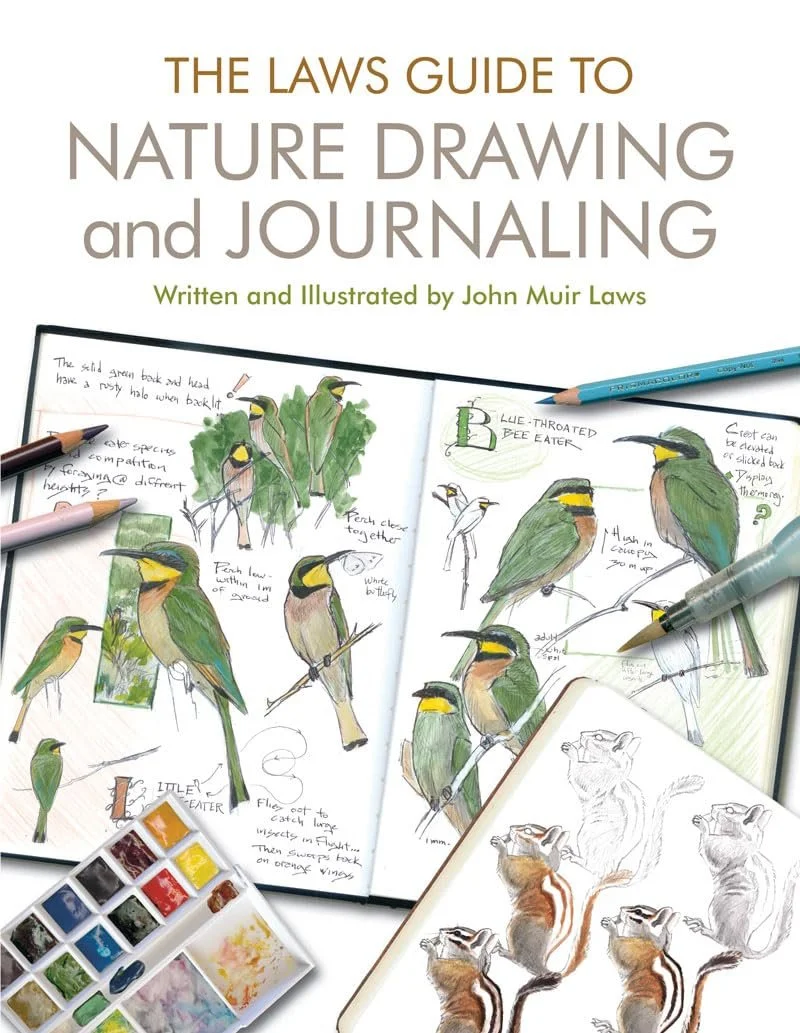
A comprehensive guide to nature journaling, Excellently written.
Wonderful “Mini Lessons” on Nature Study in a large guidebook.
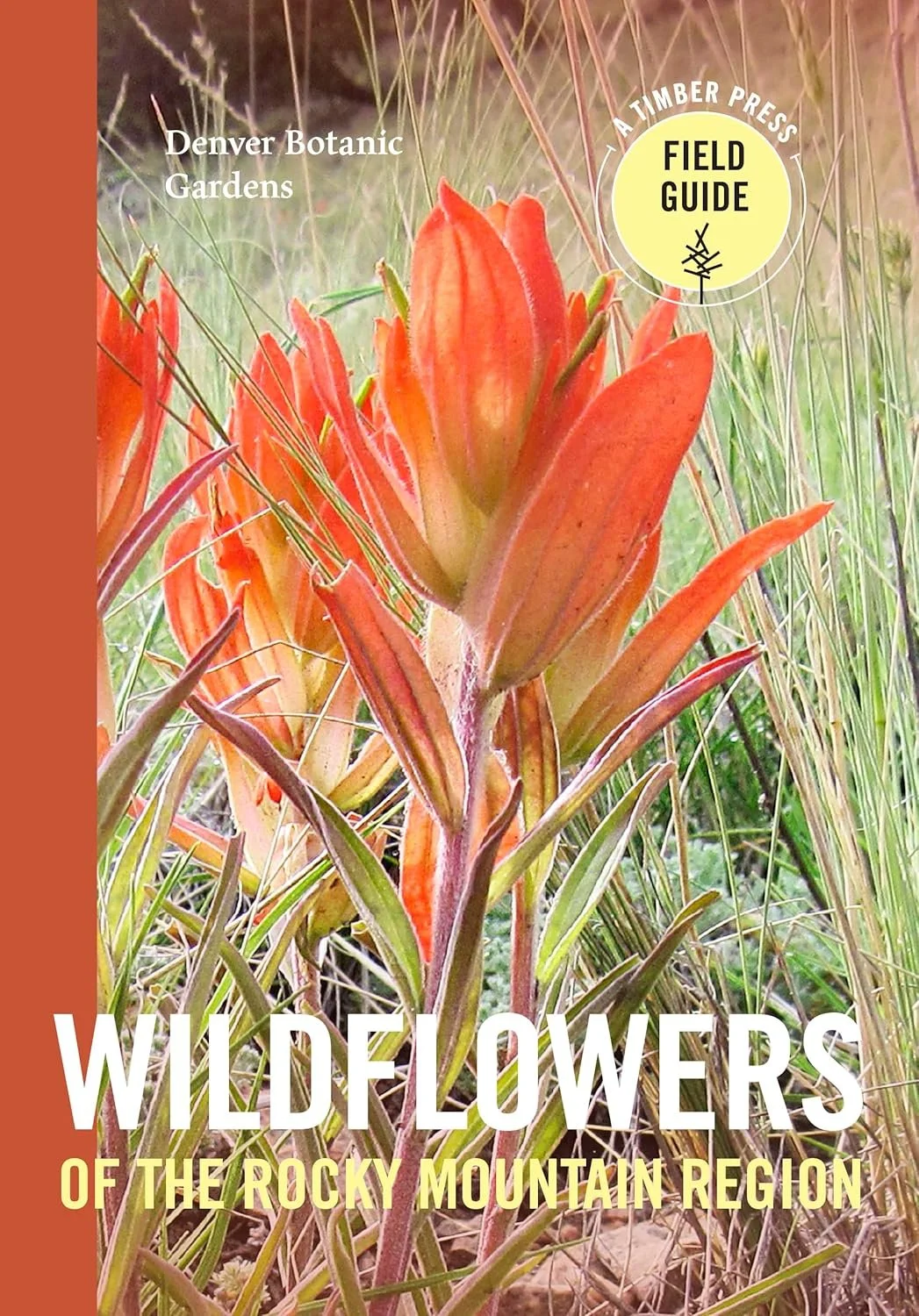
Any REGIONAL Field Guide for where you live. I recommend field guides by Timber Press.
Beautiful books for Nature Study:
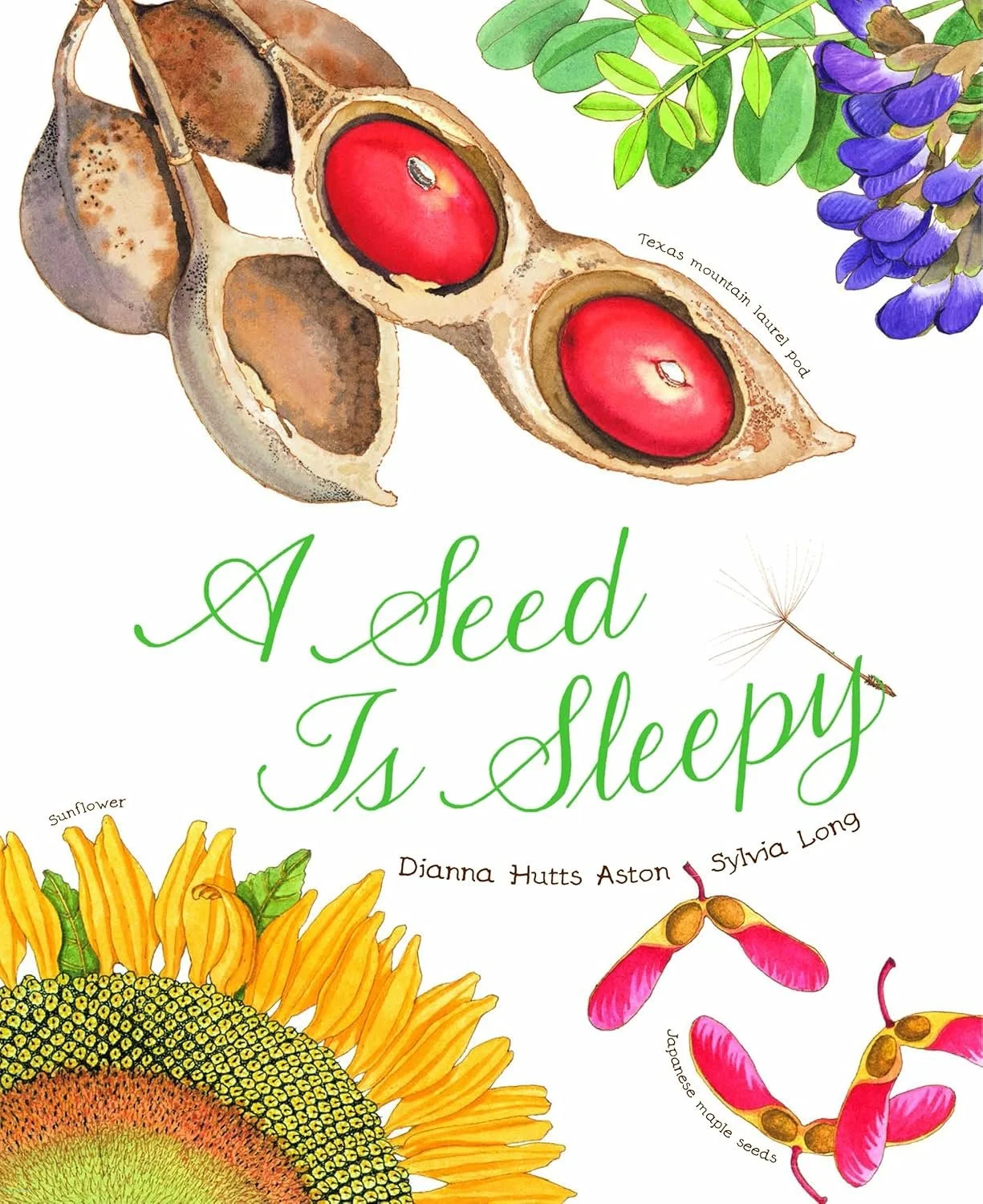
All of the nature books by Diana Aston are just as educational as they are beautiful!
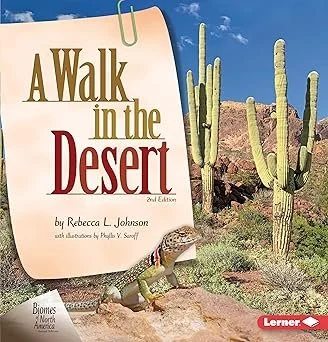
Any of the “A walk in the…” series is a great illustration of the biomes of North America.
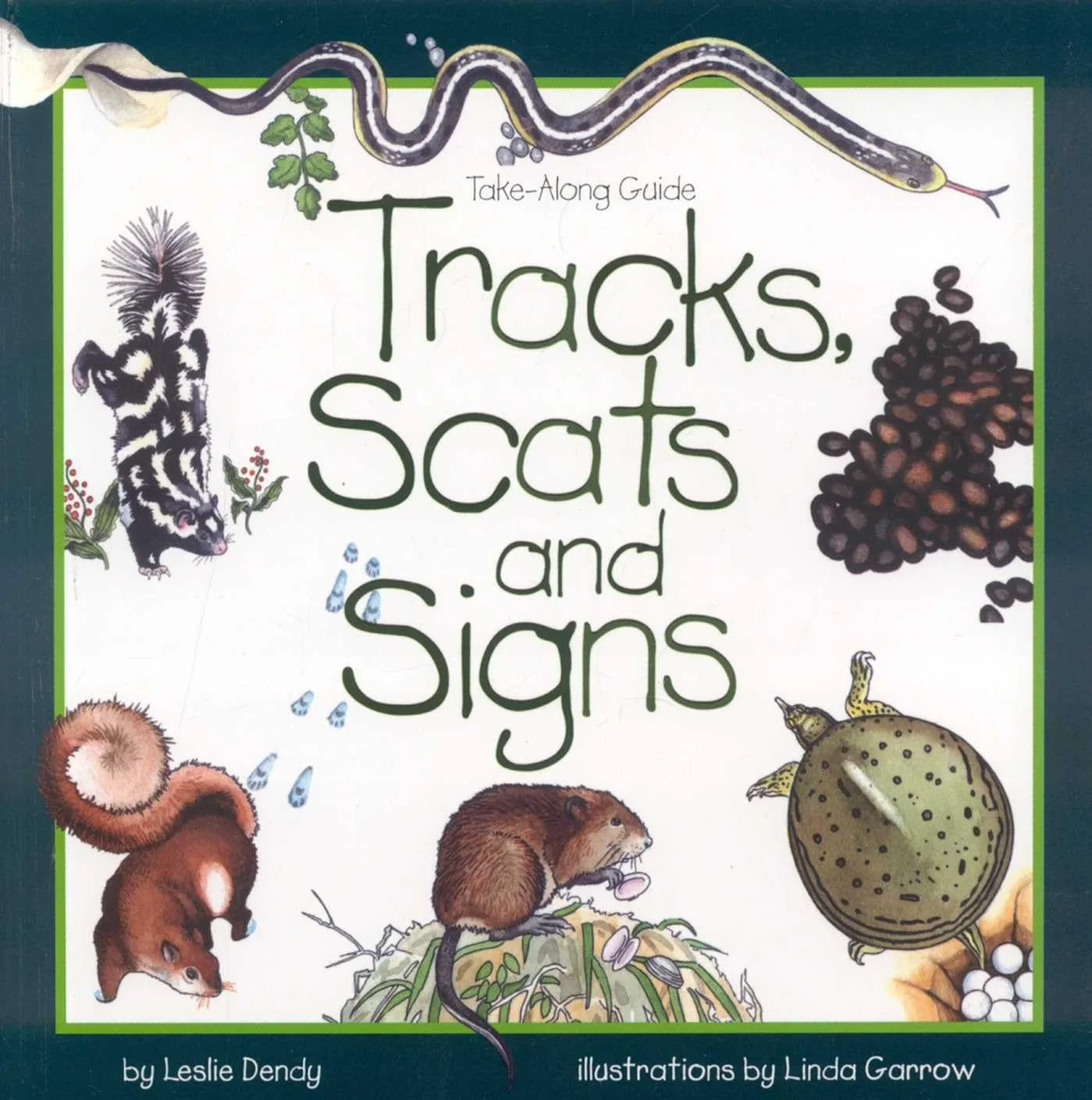
These little “Take-along guides” are a great intro to nature study, especially if you are on the East Coast of the USA

“Let’s Read and Find Out Science” Series covers SO MANY great science concepts that illustrate the science behind what you discover while you are out.
Nature Study Tools:
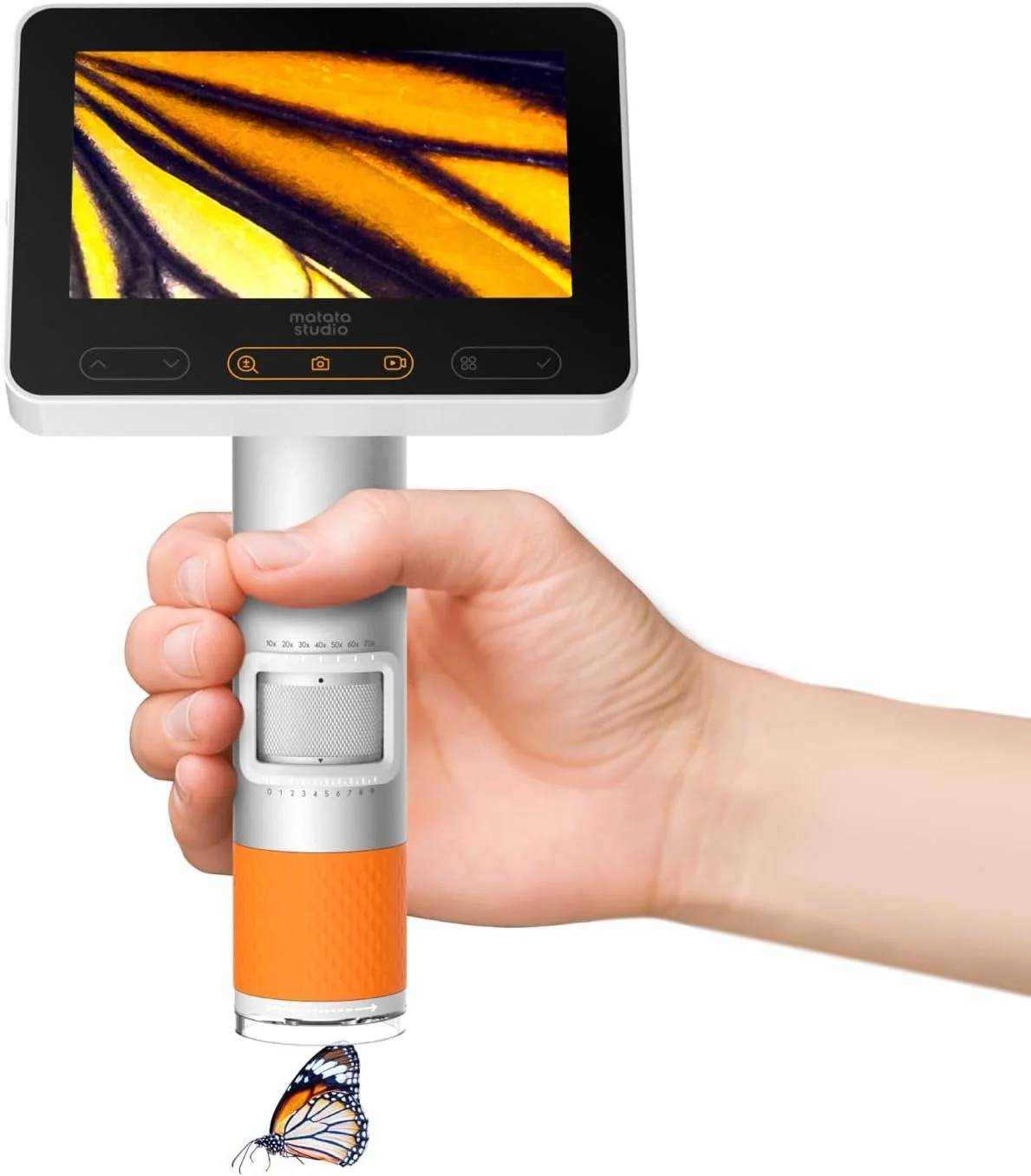
One of my favorites! For a link to buy and examples on how well this works check out my full blog post here: Digital Microscope Nature Study Tool
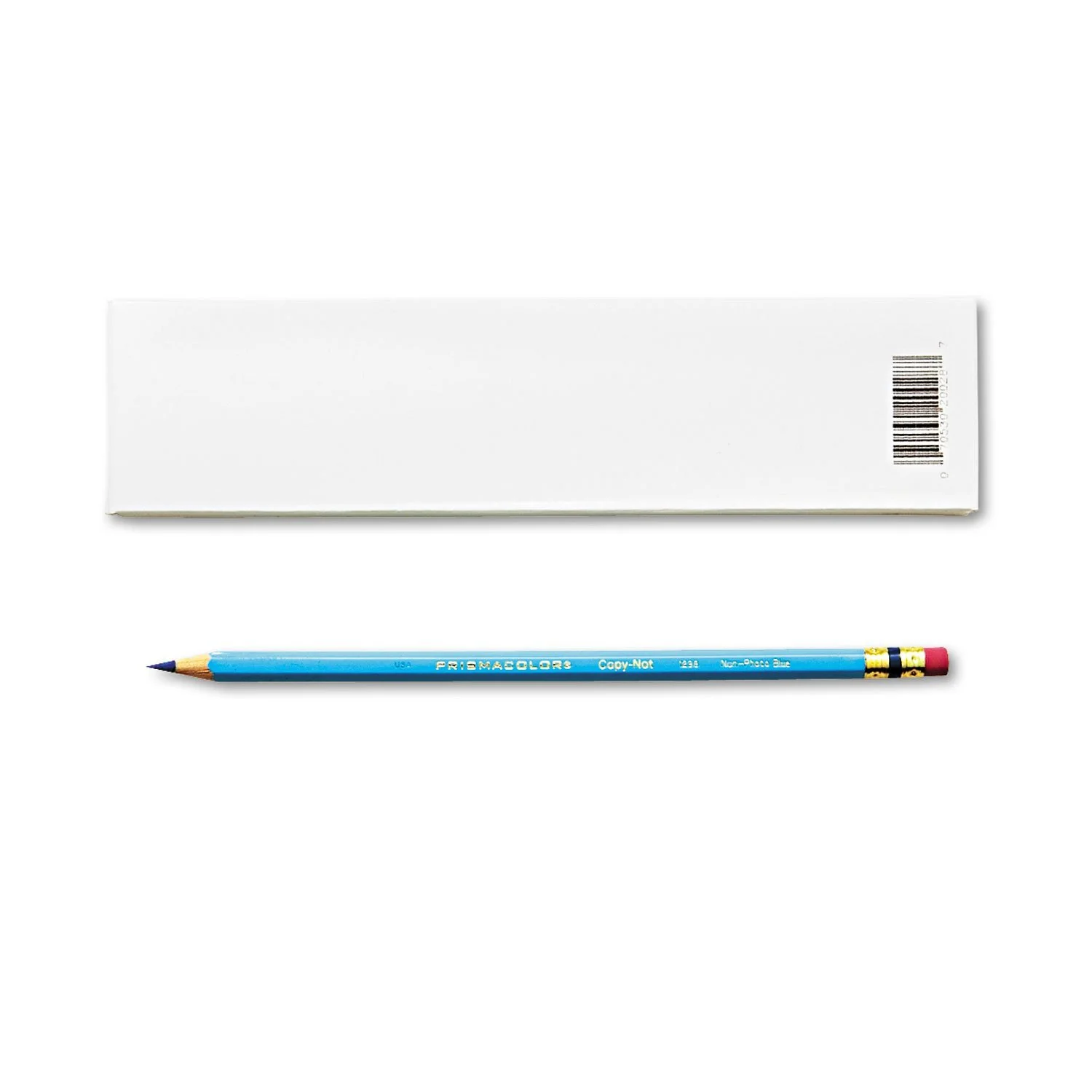
Use this pencil as the under drawing in your nature journal. It erases well, and even if you don’t erase it, your eyes tend not perceive the under drawing as much as they do with a traditional graphite pencil. As recommended in John Muir Laws’ Nature study book, “The Laws Guide to Nature Drawing and Journaling.”
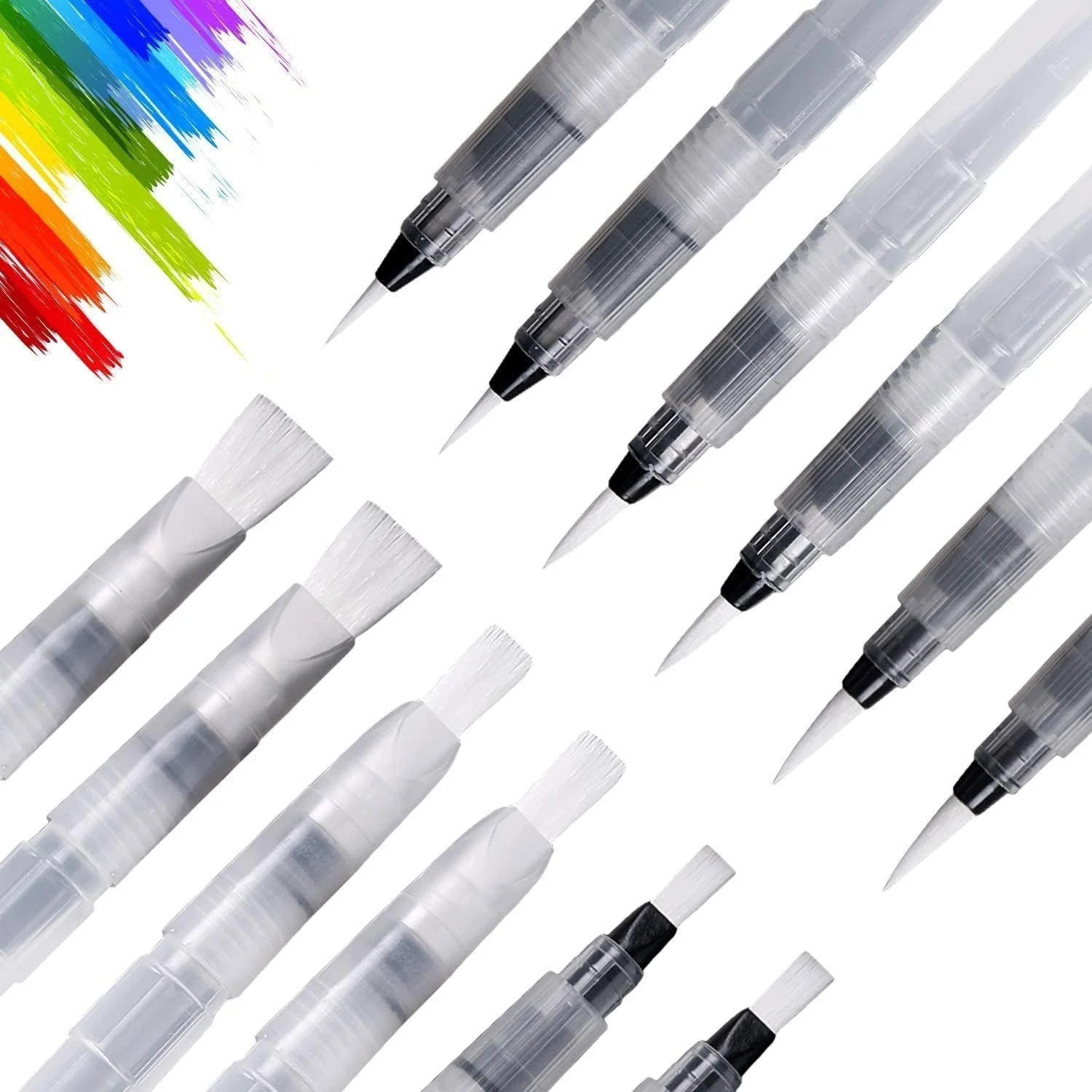
Watercolor pens are one of my FAVORITE nature Journaling tools to have in my backpack. You can fill the body of the brush up with any available water (water bottle, creek, etc), Use it to paint when you want to change colors or be done painting you just squeeze water out to wash the brush, cap it and throw it back in your pack!
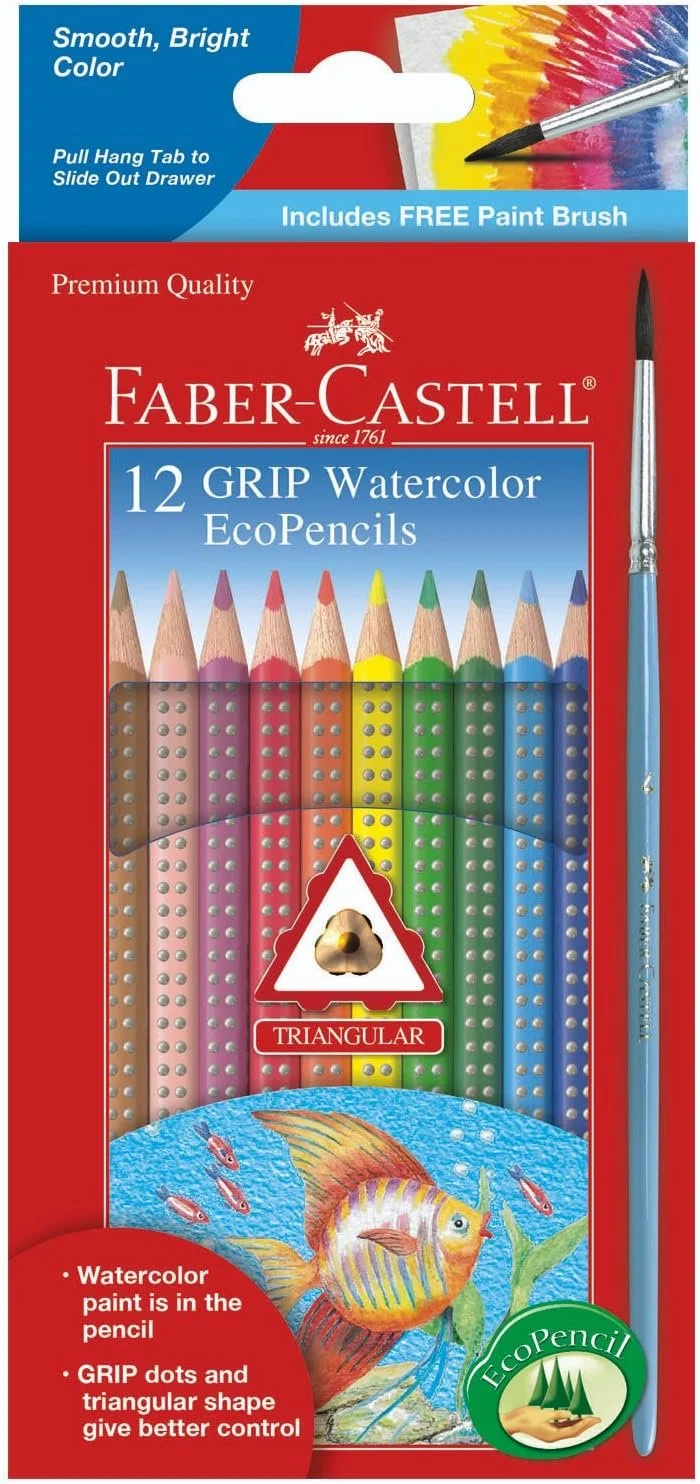
Watercolor Pencils are great for nature journaling in the field because they are lightweight, portable, and not messy! It allows you to capture color details in your notes and create a neat watercolor effect when used with your watercolor pen. You don’t get the benefits recommended by Charlotte Mason from brush drawing but I use these when hiking for ease and do more of my brush drawing at home from pictures/ specimens or when we have the time to linger at one spot for the afternoon.